The Infraction and Standard Sanction
In grand prix motorcycle racing, moving before the red starting lights go out is officially classified in the sporting regulations as anticipating the start. When this infraction occurs, enforcement falls under the authority of the FIM MotoGP Stewards Panel rather than general race control. Understanding modern MotoGP jump start penalty rules helps explain why riders rarely face immediate disqualification, as the standard disciplinary outcome across both full-length Grand Prix races and shorter Sprint contests is a requirement to serve two separate Long Lap Penalties.
Executing the Long Lap Route
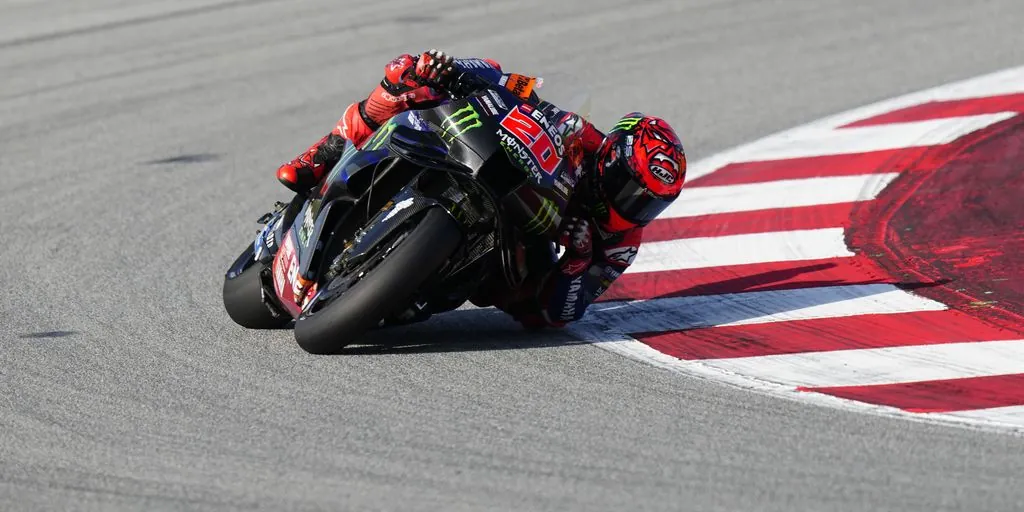
To complete a Long Lap Penalty, a rider must divert from the primary racing line and navigate an extended, specially painted asphalt lane situated on the perimeter of a designated corner. Taking this longer arc costs a competitor an average of two to four seconds per attempt, often around three seconds, which routinely leads to lost track positions. Because a false start requires this loop to be completed on two distinct laps, the cumulative time loss directly offsets any unfair advantage gained from leaving the grid prematurely.
Signalling and Escalation Protocols
Stewards communicate the sanction instantly through multiple official channels. The rider receives an alert on the digital dashboard reading L LAP X2 alongside yellow indicator lights, while teams track the notification via pit monitors and trackside signalling boards. If a competitor repeatedly fails to serve the required route, officials escalate the punishment, which can culminate in a mandatory pit-lane ride-through under the 60 km/h speed restriction or an added post-race time penalty of up to two minutes.
Official reference: Grand Prix racing explained: How the MotoGP™ championship works and key rules.

0 comments:
Post a Comment