Understanding the Reprimand Sanction
In Formula 1 stewarding, an official reprimand serves as a formal recorded warning rather than an immediate competitive penalty. When stewards investigate an incident and find a breach of regulations that does not warrant a time penalty or disqualification, they can issue a reprimand. These warnings fall into two categories: driving and non-driving infractions. Crucially, a reprimand does not alter the finishing order of a race, does not add seconds to a driver's elapsed race time, and does not carry Super Licence penalty points.
When Reprimands Lead to Penalties
A single reprimand has no immediate impact on a driver's championship points or race classification. However, the regulations track reprimands throughout a championship season. An automatic sporting consequence is triggered only if a driver reaches five total reprimands within the same season, with at least four of those issued for driving offenses. Once that threshold is met, the driver receives an automatic 10-place grid penalty at the subsequent race.
How Stewards Applied the Rule at Sepang
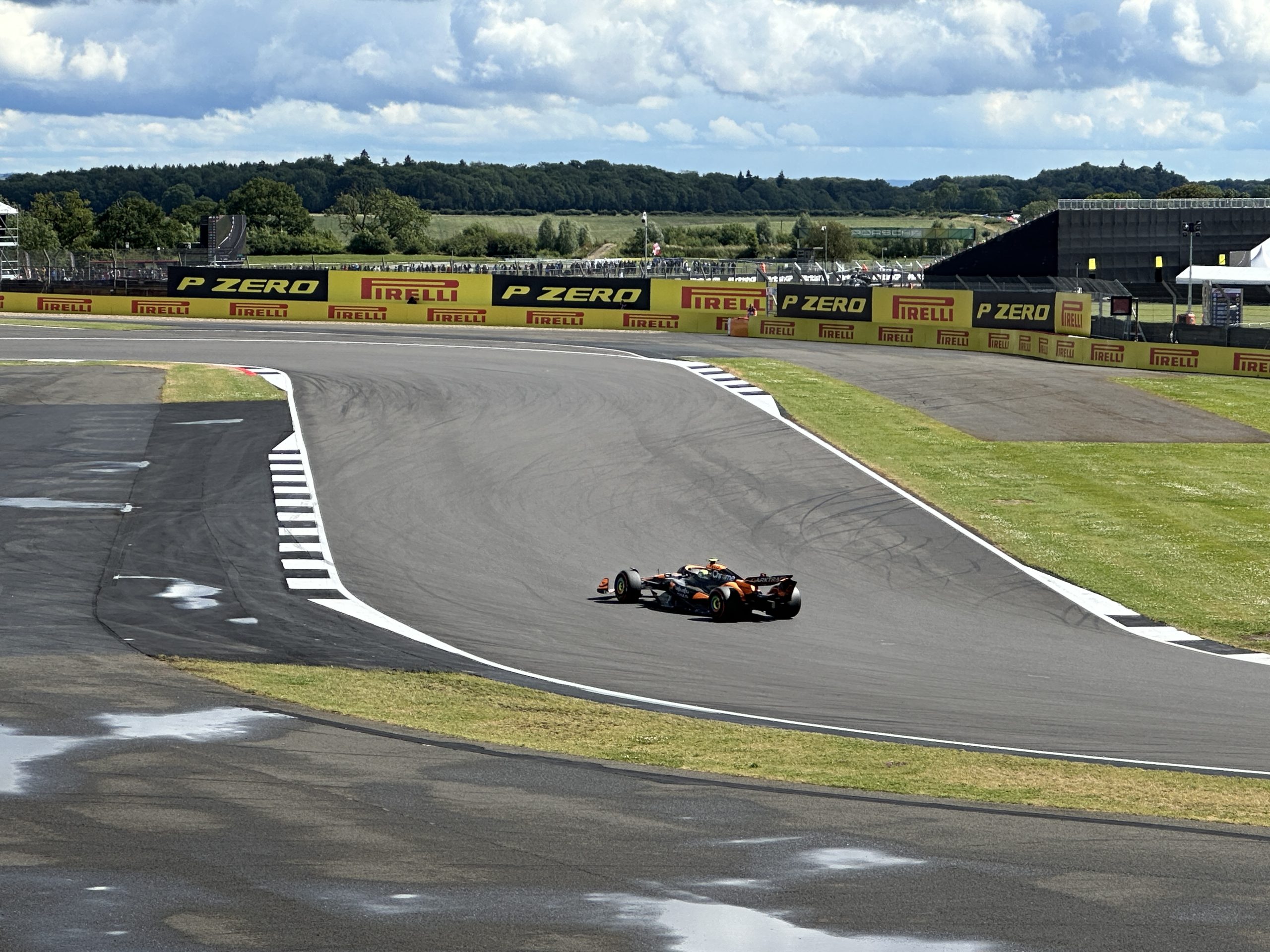
The practical boundary between a reprimand and a time penalty was demonstrated at Sepang during the 2026 Bahrain Grand Prix in Malaysia, resulting in the Lando Norris Sepang safety car reprimand. On Lap 42, circulating behind the Safety Car, Lando Norris approached Turn 1 with excessive closing speed as the pack slowed for George Russell's stopped car. To avoid rear-ending teammate Oscar Piastri, Norris braked hard and swerved off-track into the gravel bed before safely rejoining ahead of Lance Stroll. While Norris cited severe glare from the setting sun as a factor in misjudging the closure rate, the stewards ruled that ambient lighting conditions are an operating factor drivers must anticipate rather than a valid excuse for erratic driving under Article B5.13.2a.
Why Norris Received a Warning Instead of Lost Time
Although the stewards affirmed that Norris failed to manage an adequate buffer margin behind the Safety Car, they factored in his quick evasive reaction, which prevented any physical collision. They also established that while he briefly slid past Piastri off-circuit, Piastri immediately regained the position, meaning no illegal overtake took place. Because the evasive action avoided contact and the subsequent rejoin was controlled, the panel opted for a driving reprimand rather than an in-race time penalty, allowing Norris to keep his ninth-place finish.
Official reference: api.fia.com.

0 comments:
Post a Comment