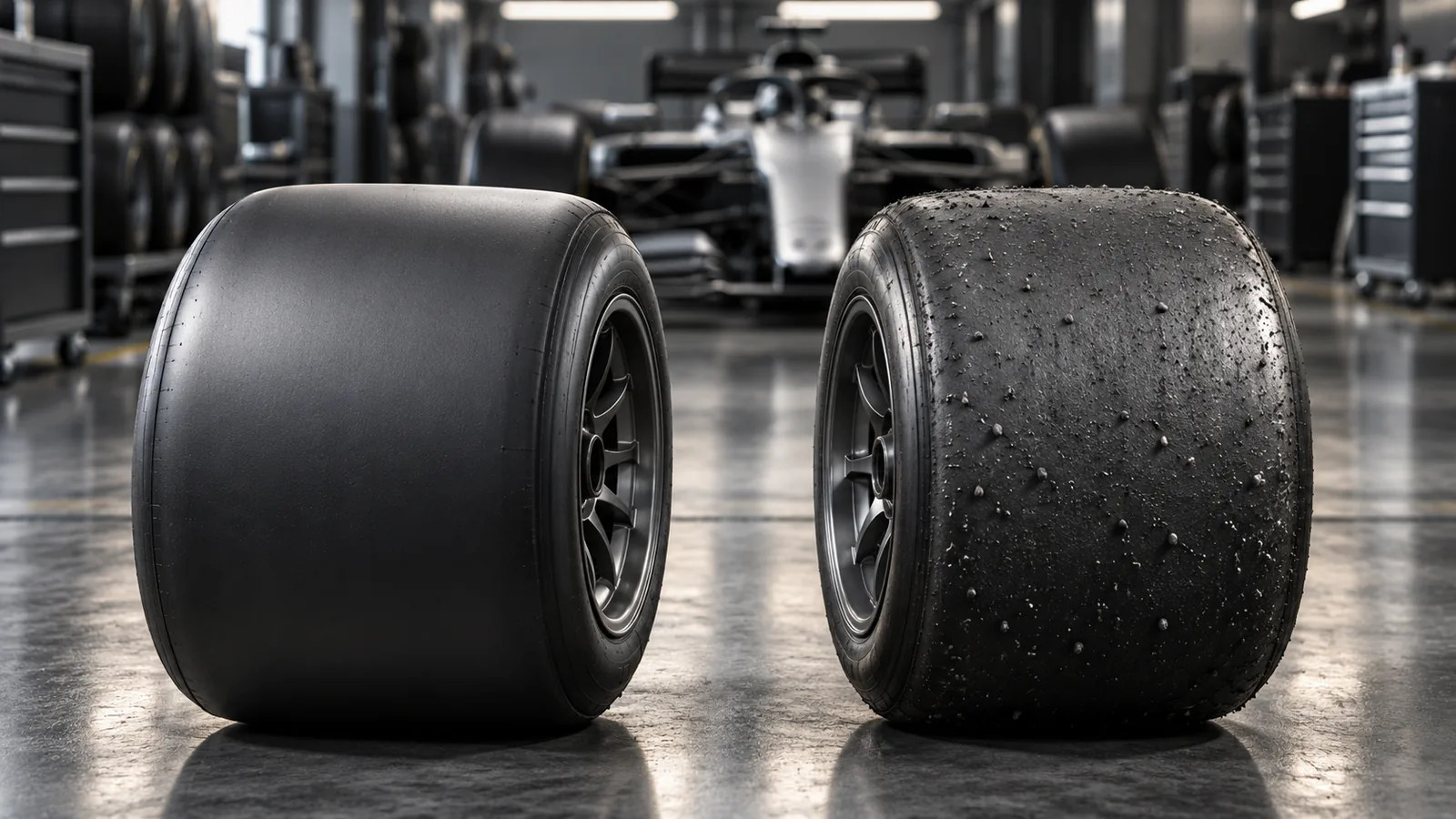
Why Pit Stops Do Not Guarantee Zero Laps on a Tyre Set
Viewers watching a Formula 1 broadcast often expect the tyre age counter to return to zero immediately after a driver leaves the pit lane. In practice, television graphics track the running history of the physical rubber attached to the car rather than the elapsed time since the car stopped. Teams do not always fit brand-new rubber during a stop; they frequently install a used set scrubbed during practice or qualifying, or they may complete a pit visit to repair mechanical damage without fitting fresh tyres at all.
This dynamic explains why F1 tyre age does not reset after a pit stop whenever an already-run set returns to the circuit. A set that ran three laps during a practice session carries those three laps into the race. When fitted, the current stint starts from lap one of that specific run, but the cumulative age reflects the total mileage accumulated across the entire race weekend according to the official timing provider's counting conventions.
The Difference Between Tyre Compounds and Individual Sets
For beginners learning the sporting regulations, distinguishing between a compound specification and an individual tyre set is crucial. Labels like soft, medium, or hard describe the specification, but teams receive multiple physical sets of each compound with varied running histories. Switching from a worn set of softs to another soft set counts as a physical tyre change without satisfying requirements that mandate using distinct tyre specifications during a dry race.
Under the governing sporting regulations, official rules define the precise moment fitted tyres become classified as used. That regulatory designation simply tracks usage and allocation limits across the weekend; it does not measure instantaneous grip levels or declare the rubber unusable. Stint duration, compound choice, and physical wear remain separate parameters that must be evaluated individually.
Why Older Tyres Are Not Automatically Slower
A higher lap count on a tyre set does not guarantee that a car will drop off in pace immediately. Single-lap speed depends on several shifting variables, including fuel burn-off, traffic, operating temperatures, and general track evolution. A freshly fitted set can require time to reach its proper working window, while a managed set with older mileage might continue delivering competitive lap times under changing circuit conditions.
Surface phenomena such as graining can also affect grip temporarily without signaling complete structural failure or permanent wear. Because degradation curves vary across different circuits and weather environments, an accumulated tyre age figure should not be treated as a definitive predictor of pace without considering broader race conditions and strategic trade-offs.
Official reference: 2026 FIA Sporting Regulations, Section B, Issue 09.

0 comments:
Post a Comment